
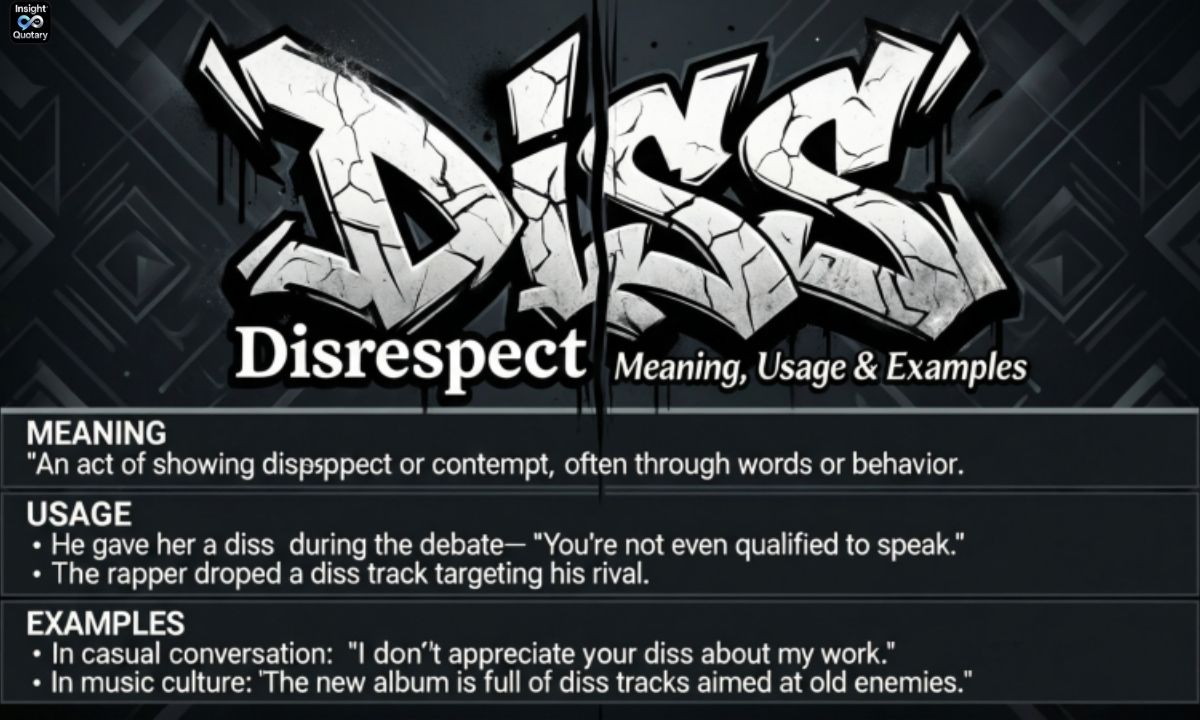
Ever wondered what it means when someone says they’re getting “dissed”? Don’t worry, it’s not a new dance move! “Diss” is just a cool, shortened way of saying disrespect.People use “diss” in texts, social media, and even in rap battles to call out someone’s rude words or actions.
It’s like a quick clapback, but in slang form. But be careful while it’s fun to know, using “diss” can hurt feelings if not used wisely. Kids and teens should learn when it’s just joking and when it crosses the line.
Diss Meaning in Simple Words
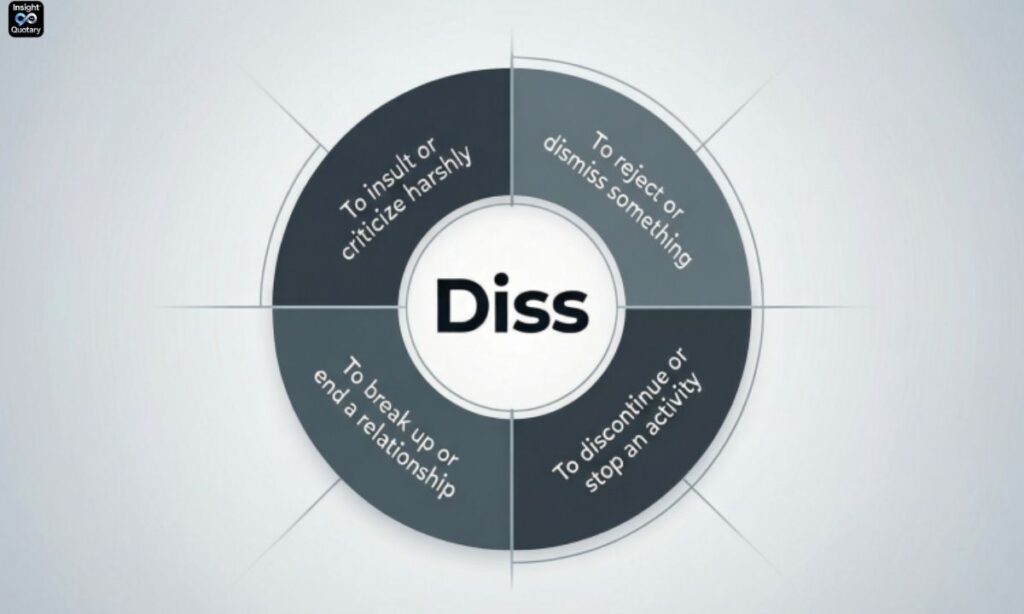
The diss (disrespect): meaning is simple it’s when someone insults you or treats you rudely. If a friend says something mean about your outfit or makes fun of you online, that’s a diss 😎.
Understanding the diss (disrespect): meaning helps you recognize when someone’s being rude. It’s basically disrespect in a short, slang form. Whether it’s in texts, social media comments, or face-to-face conversations, a diss is all about putting someone down.
Origin of Diss Slang
The diss (disrespect): meaning has roots in hip hop culture from the 1980s 🕰️. Rappers used diss tracks to call out rivals and settle beefs through music. This slang for disrespect quickly became a core part of rap battles.
Over time, the diss (disrespect): meaning spread beyond hip hop into everyday language. Now Gen Z, teens, and people of all ages use it in texts, social media, and casual conversations.
- Started in rap and hip hop in the ’80s
- Became popular through diss tracks and music battles
- Spread to mainstream slang by the ’90s and 2000s
- Now used widely in online slang and digital communication
How to Use Diss in Chat
The diss (disrespect): meaning in texting is about calling out insults or rude comments 💬. You can use it when someone says something mean or when you’re talking about disrespectful messages with friends.
Understanding the diss (disrespect): meaning in messaging apps makes your chats clearer. It’s a quick way to describe when someone’s being rude online or throwing shade 😂.
- “Did you see how she dissed him in that group chat?”
- “Stop dissing me, I’m just trying to help!”
- “That was such a diss, he’s probably upset now”
- “Why are you always dissing my music taste? 😅”
Examples of Diss on Social Media
The diss (disrespect): meaning on social media shows up in tweets, comments, and posts all the time 😲. From diss tweets to Instagram comments, people use this slang to call out rude behavior or throw shade at others 😅.
- “She really dissed her ex in that TikTok 💀”
- “That diss comment under his photo was savage”
- “Did you see the diss tweet? It went viral!”
- “He posted a whole diss meme about the situation 😂”
- “Stop dissing people in your Instagram stories, it’s messy”
Diss in Music & Rap

The diss (disrespect): meaning in rap is huge it’s when artists create entire songs to insult rivals 🎤. Diss tracks in hip hop are a way to call out other rappers, settle beef, and show lyrical skill 🔥.
Understanding the diss (disrespect): meaning in music helps you appreciate rap culture. These tracks aren’t just insults they’re competitive, creative, and often become legendary in pop culture.
- “Hit ‘Em Up” by 2Pac : one of the most aggressive diss tracks ever
- “Ether” by Nas : a classic response in hip hop beef
- “The Story of Adidon” by Pusha T : a modern diss that shook the industry
Common Phrases with Diss
The diss (disrespect): meaning appears in tons of everyday phrases that Gen Z and teens use 😏. These slang terms for disrespect show up in conversations, texts, and social media all the time.
- “Don’t diss me like that” : asking someone to stop being rude
- “That’s a major diss” : pointing out a serious insult
- “He dissed her hard” : saying someone insulted another person badly
- “Why you dissing?” : asking why someone’s being disrespectful
- “That was a subtle diss” : noticing a low-key insult
- “No need to diss” : telling someone to stay respectful
Do’s and Don’ts of Using Diss
Knowing the diss (disrespect): meaning is one thing, but using it correctly matters too ✅. Whether you’re texting friends or posting on social media, understanding how to use diss properly keeps conversations respectful and clear ❌.
- ✅ Do use it to describe rude comments or insults accurately
- ✅ Do understand when someone’s joking vs. actually dissing
- ❌ Don’t diss people publicly on social media it can escalate quickly
- ❌ Don’t use it to bully or hurt others intentionally
- ✅ Do call out disrespectful behavior when necessary
- ❌ Don’t overuse the word not every disagreement is a diss
Is Diss Safe for Kids?
Understanding the diss (disrespect): meaning is important for parents monitoring their kids’ online activity 👶. While “diss” itself is just slang, it can lead to cyberbullying, online insults, or disrespectful messages if not handled properly 🛡️.
The diss (disrespect): meaning for kids should be discussed openly at home. Teaching children about inappropriate slang and how to respond to rude comments helps them navigate digital safety better.
- Talk to your kids about what diss means and why disrespect hurts
- Monitor their social media and messaging apps for disrespectful messages
- Teach them how to respond to a diss without escalating the situation
- Use parental control apps like Saferloop to track concerning slang usage
| 🛡️ Safety Area | 💡 What Parents Should Do |
| Online Monitoring | Check messages for rude slang terms and modern insults online |
| Open Communication | Discuss diss meaning and why respectful conversation matters |
| Set Boundaries | Explain that dissing others on social media has real consequences |
| Teach Responses | Show kids how to handle offensive slang without fighting back |
Fun Ways to Respond to a Diss
Knowing the diss (disrespect): meaning helps you handle insults with style 😎. Instead of getting upset, you can respond with humor or confidence that shows you’re unbothered 😂.
- “Thanks for the feedback, I’ll file that under ‘things I didn’t ask for’ 📁”
- “Is that your best shot? I’ve heard better from my little brother 😅”
- “Wow, you really woke up and chose violence today, huh?”
- “I’d be offended, but I don’t remember asking for your opinion 💅”
- “That’s cute, did you think of that all by yourself? 😏”
Quick Tips to Avoid Getting Dissed
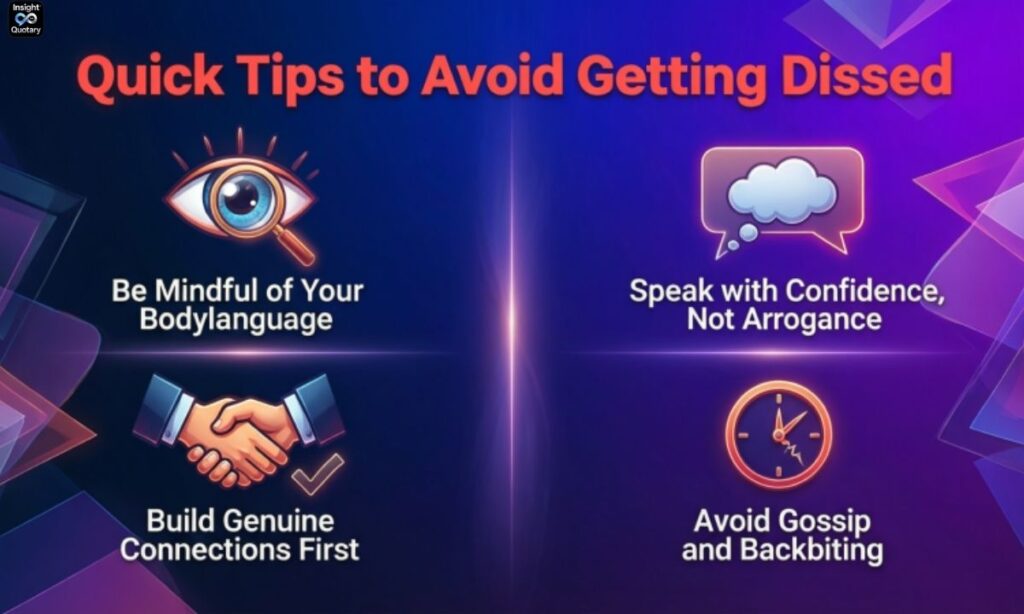
Understanding the diss (disrespect): meaning can help you avoid becoming a target 💪. While you can’t control what others say, carrying yourself with confidence and treating people well reduces the chances of getting dissed.
The diss (disrespect): meaning teaches us that respect goes both ways ✨. When you’re kind, confident, and don’t engage in drama, people are less likely to throw insults your way.
- Stay confident in who you are people rarely diss those who seem secure
- Treat others with respect so they have no reason to disrespect you back
- Don’t engage in online arguments or slang terms for arguments unnecessarily
- Keep your social media positive and avoid posting things that invite rude comments
Final Words
“Diss” means disrespect. It is a slang word. People use it to show someone is being rude.You might see it in texts, social media, or songs.
It is a quick way to call out someone. Always be careful with it.Kids should know it can hurt feelings. Using it nicely is important. Learn the meaning before saying it.
Frequently Asked Questions
What does “Diss” mean in slang?
“Diss” is short for disrespect. People use it to call out rude words or actions.
How do you use “Diss” in a sentence?
You can say, “Stop dissing my favorite song!” It’s a fun way to show someone is being rude.
Is “Diss” the same as disrespect?
Yes! “Diss” is just a slang version of disrespect. It’s quicker to type in chats or texts.
Can kids use the word “Diss”?
It’s not recommended. Kids might hurt someone’s feelings if they use it carelessly.
Where do people usually use “Diss”?
Mostly online, in texts, social media, and even songs. It’s popular with Gen Z and teens.

Liam is a content creator with 4 years of experience in Instagram Captions, Quotes, and Best Meanings. Now writing for InsightQuotary.com, he blends creativity and clarity to deliver fresh, engaging, and impactful content every day.